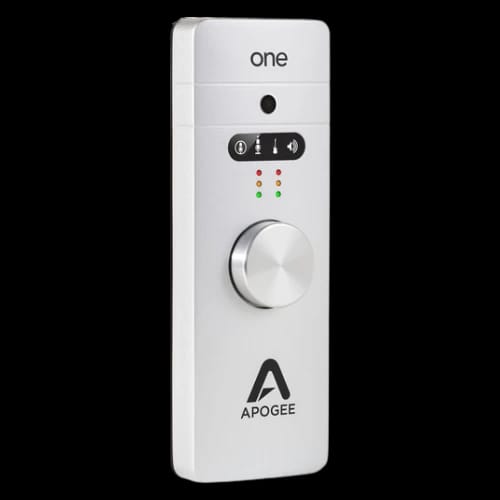
Apogee One Audio Interface for MAC and PC
Key Features
- Apogee One Audio Interface
- 2 In 2 Out
- Built in Microphone
- USB 2.0 Connectivity
- Low Latency Monitoring
Out Of Stock
Share:
Any Questions? Ask On
Technical Specifications
General Information
Audio Interface Specs
Connectivity & Performance
Inputs & Outputs
Software & Compatibility
Build & Design
Additional Features
Warranty
Product Description
Why Compact Audio Interfaces Still Dominate Modern Studios
In 2026, creators expect studio-grade sound without bulky setups, and that expectation has reshaped how buyers evaluate recording gear. Compact interfaces now sit at the center of home studios, mobile rigs, and professional workflows because they remove friction between creativity and execution. Shoppers browsing professional audio gear increasingly prioritize flexibility, portability, and sound integrity over sheer channel count.
At the category level, interfaces have also become a primary entry point into wider studio equipment collections, guiding users toward microphones, monitors, and software ecosystems. Understanding how a premium, portable interface fits into this structure helps buyers make faster, more confident decisions while reinforcing strong internal category pathways.
Core Capabilities That Define a Premium Interface
A modern audio interface is no longer just a converter. It is a control hub that influences workflow speed, recording quality, and long-term scalability. Devices like the Apogee One exemplify how engineering choices directly affect user outcomes when explored within audio interfaces designed for both desktop and mobile environments.
Signal Path and Recording Flexibility
High-end interfaces are judged first on how cleanly they capture sound. A 2-in/2-out design paired with premium AD/DA conversion ensures clarity without unnecessary complexity. For creators comparing options inside portable recording interfaces, built-in microphones and breakout cables reduce setup time while preserving professional signal paths.
- Integrated microphone design
- Dual analog input routing
- High-headroom mic preamps
- Direct monitoring control
Low-latency monitoring and software integration matter just as much. Seamless operation with macOS and Core Audio applications positions these interfaces naturally alongside Mac compatible audio interfaces that prioritize stability over experimental features.
Connectivity, Build, and Long-Term Value
Durability and cross-platform support are often overlooked until they fail. Die-cast aluminum enclosures and USB 2.0 reliability continue to outperform flashier alternatives, especially for users navigating between desktops and tablets. Within iOS recording interfaces, optional connectivity kits extend lifespan by adapting to evolving devices rather than forcing replacements.
- Rugged aluminum chassis
- USB-powered operation
- Software-based I/O control
- Expandable platform support
This balance of physical resilience and digital flexibility is why buyers often cross-shop these models with desktop audio interfaces that promise longevity instead of short upgrade cycles.
How Category Structure Influences Buying Decisions
From an e-commerce perspective, the way interfaces are grouped matters as much as their specifications. Clear separation between entry-level, portable, and professional tiers helps users self-qualify quickly. When category pages emphasize real-world use cases—songwriting, podcasting, mobile tracking—they naturally funnel traffic toward the most relevant solutions without overwhelming choice.
Equally important is contextual education. Explaining why a compact interface can outperform larger units reframes value, especially for users upgrading from basic USB gear. This approach strengthens internal navigation while keeping crawl depth efficient and conversion-focused.
Conclusion: Turning Research Into Confident Action
Choosing the right interface is about aligning workflow, environment, and sound expectations. Compact premium models prove that fewer inputs do not mean fewer possibilities when design and software integration are executed correctly. For buyers narrowing options inside compact audio interfaces, understanding category intent shortens the path from research to purchase.
As users move closer to checkout, curated paths into clearance audio gear or niche performance tiers can provide final incentives without disrupting trust. When category architecture mirrors real creative needs, both users and search engines reward the experience.
Ready to Buy
If you are ready to invest in legendary sound quality and a proven recording workflow, explore authentic options from Apogee available now at PCB Store.
Delivery Charge Info
Inside Dhaka: ৳80
Outside Dhaka: ৳130
FAQs
What type of audio interface is the Apogee One?
The Apogee One is a 2 in 2 out USB audio interface designed for Mac and PC users.
Does the Apogee One include a built in microphone?
Yes it features a built in omnidirectional condenser microphone for quick recording.
Can I record two sources at the same time?
Yes you can record an instrument and a built in or external microphone simultaneously.
What is the maximum audio resolution supported?
The interface supports up to 24 bit 96 kHz AD DA conversion.
Is the Apogee One compatible with Mac computers?
Yes it is fully compatible with macOS and Core Audio applications.
Can the Apogee One be used with iOS devices?
Yes iOS connectivity is supported using an optional iOS connectivity kit.
What software is used to control the interface?
The Apogee Maestro software provides complete input and output control.
Does it work with popular DAWs?
Yes it works with GarageBand Logic Pro X and other Core Audio compatible DAWs.
What kind of outputs does the interface have?
It includes a 1 1 8 inch stereo output for headphones or powered speakers.
How durable is the Apogee One?
It features a die cast aluminum chassis and is built in the USA for long term reliability.
Popular Products