Portable SSD Price in Bangladesh
Portable SSD
12
/39
Filter
Filter
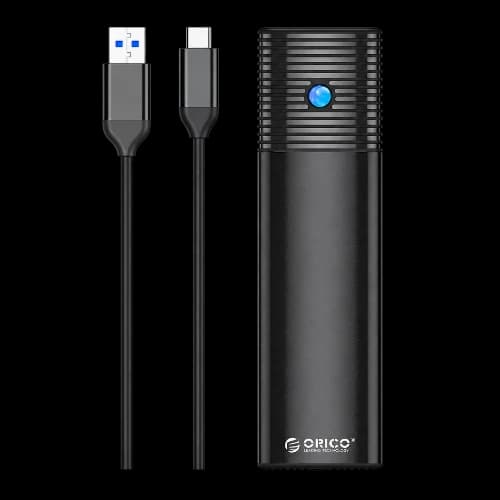
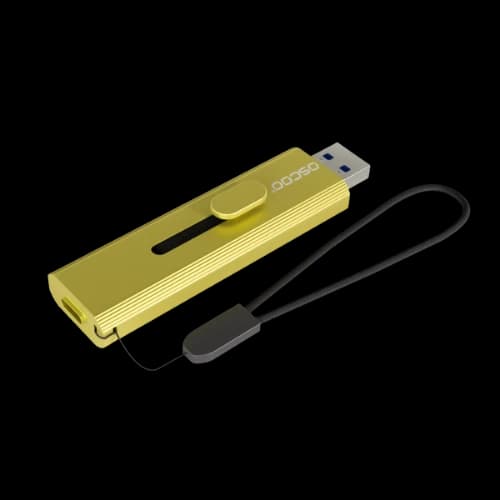
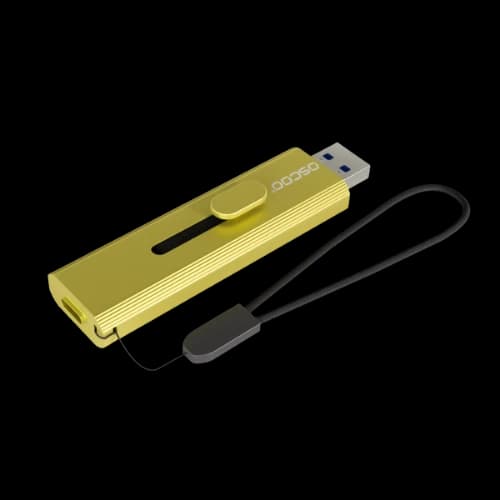
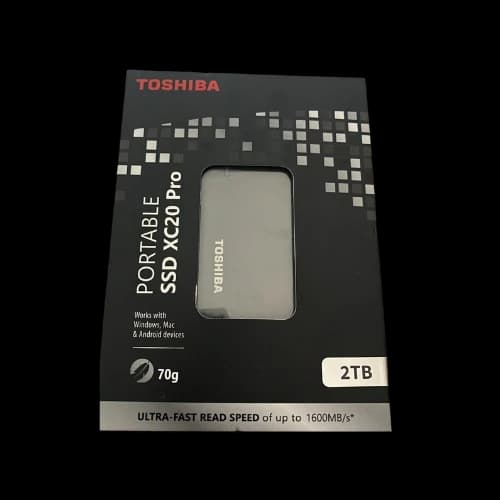
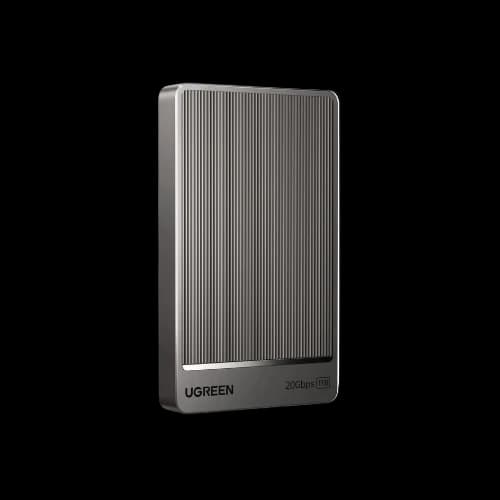
UGREEN CM766 Portable 1TB Solid State Drive
Portable SSD
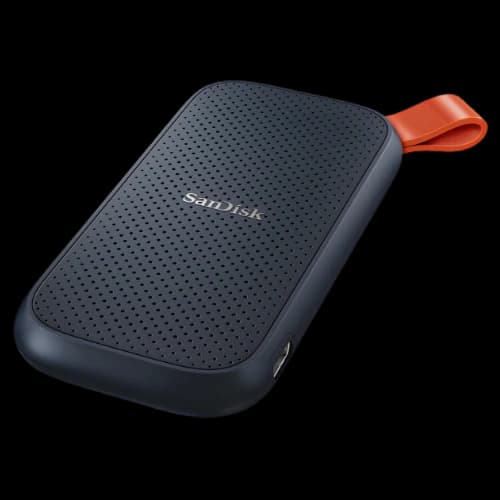
Sandisk 1TB USB 3.2 Gen 2 Type-C Portable SSD
Portable SSD
Description
Portable SSDs are now one of the best choices for fast, portable storage in Bangladesh, offering much quicker file transfers and better durability than traditional portable hard drives. Whether you need an external drive for backup, gaming, 4K video editing, or daily school and office files, a portable SSD (external SSD) gives you higher speed, smaller size, and safer on-the-go performance.
Popular Portable SSD Brands in Bangladesh
Bangladesh’s portable SSD market includes many well-known global and local brands to suit different users and budgets. Premium and performance-focused brands such as Samsung, SanDisk, Western Digital, Seagate, Corsair, Toshiba, and G-Technology are popular for their reliability, fast speeds, and build quality, making them ideal for professionals, gamers, and content creators.
For users who want strong performance at a more affordable price, brands like ADATA, Kingston, PNY, TEAM, Silicon Power, Apacer, Patriot, Lexar, and HP offer a balanced mix of speed, durability, and value, which appeals to students, PC builders, and everyday users.
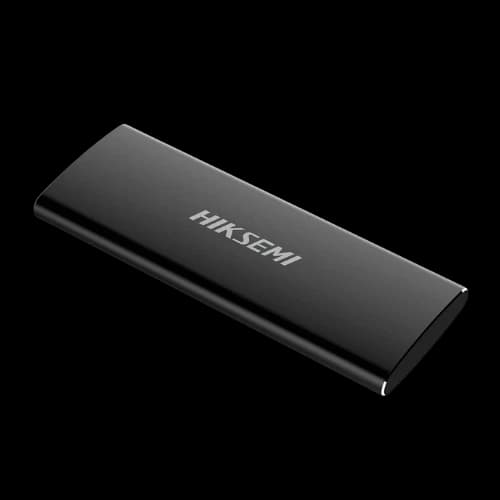
Budget-friendly and emerging options such as Netac, Walton, OSCOO, HIKSEMI, KingSpec, Dahua, UGREEN, Asus, and Synology cater to basic storage needs, backups, and ecosystem-based use, giving buyers plenty of choices across all price ranges and use cases.
Portable SSD vs. Portable Hard Drives
Portable HDDs used to be the main option for carrying lots of data, but portable SSDs now dominate for speed and portability. The real decision is usually about value: whether the SSD’s benefits are worth the extra cost for your needs.
How they work
A portable HDD is mechanical: spinning platters (often 5400 RPM) and a moving actuator arm read and write data. It’s like a tiny record player, which is why it can be damaged easily if dropped.
A portable SSD has no moving parts. It stores data on NAND flash chips and uses a controller to access it instantly. That makes it silent, efficient, and much more resistant to shock.
Speed (real-world difference)
A portable HDD usually transfers around 80–160MB/s.
A portable SSD starts around 550MB/s, while NVMe-based portable SSDs (like many Samsung T-series models) can reach around 1050MB/s.
That speed changes everything: big file transfers take minutes on HDDs but seconds on SSDs. It also means you can run apps, edit high-res video projects, and load games directly from the drive much more smoothly.
Durability & reliability
Portable HDDs are fragile because of moving parts—drops can cause head crashes and permanent data loss.
Portable SSDs handle everyday movement far better because they’re solid-state. Many rugged models are rated for drops of around 2 meters.
Note: Unstable power can harm both HDDs and SSDs. Power spikes or sudden drops can cause corruption or failure, so stable power matters during transfers.
Size, weight, and power
Portable SSDs are smaller and lighter—many are close to a credit-card size and often under 100g. Portable HDDs are bulkier and heavier.
SSDs also use less power since nothing needs to spin, so they’re better for laptops and mobile use.
Buying Guide: Portable SSD in Bangladesh
Performance (internal tech + port)
Internal technology:
- SATA-based portable SSDs usually top out around 550MB/s and are great for everyday use.
- NVMe-based portable SSDs are faster and can take advantage of higher USB speeds.
External interface:
- USB 3.2 Gen 1 (5Gbps): usually caps around ~550MB/s real-world.
- USB 3.2 Gen 2 (10Gbps): the sweet spot for many users, up to ~1050MB/s.
- USB 3.2 Gen 2x2 (20Gbps): can hit ~2000MB/s, but only if your PC supports 20Gbps. Many laptops (including many MacBooks) don’t—so the drive will run at 10Gbps speeds instead.
Capacity vs. cost
Capacity is the biggest price driver.
- 256GB–512GB: good for students and active project files.
- 1TB: best all-round option for most users.
- 2TB–4TB: for serious video work, large game libraries, and heavy storage needs.
Durability and ruggedness (IP rating)
All SSDs are naturally more shock-resistant than HDDs. If you travel or work outdoors, look for an IP rating:
- IP55: dust protection + water splashes.
- IP67: fully dust-tight + can handle temporary water submersion.
Security features
If you store important work or personal files, encryption matters.
- Software encryption (BitLocker/FileVault) works but can reduce speed.
- AES 256-bit hardware encryption is faster and more secure because the drive handles encryption internally. Samsung T7 models and some WD options are known for this.
Compatibility and connectivity
Most portable SSDs use USB-C on the drive. Good packages often include both USB-C to USB-C and USB-C to USB-A cables, so you can connect to newer laptops and older PCs/consoles without buying extras.
For formatting, exFAT is the easiest for switching between Windows and macOS.
Who should use a portable SSD?
- Content creators use SSDs for editing 4K/8K projects directly from the drive and moving huge files quickly.
- Gamers use them for faster load times and extra storage, especially with large modern game installs.
- Business users and travelers benefit from durability, small size, and encryption options.
- Students get reliable daily carry storage and can run heavy apps off the drive if needed.
- Everyday users enjoy fast backups, quick phone/tablet offloads, and silent operation.
People who mainly want the most storage for the lowest price (big “cold storage” backups) can still be better off with a portable HDD.
Why Choose a Portable SSD From PCB Store?
PCB Store can be a strong option for buying storage because it focuses on authenticity, warranty coverage, and support. You get official warranty-backed products under local guidelines, access to experienced staff for compatibility advice, and after-sales service support. The store also offers a broad brand selection for easier comparison, plus in-store checking and a customer-friendly return policy.