Processor Price in Bangladesh
Processor
12
/109
Filter
Filter






Description
Choosing the right CPU in Bangladesh means balancing processor price, performance, and compatibility. From Intel Core and AMD Ryzen desktop processors to Xeon, Threadripper, and EPYC workstation CPUs, each processor category is built for specific workloads like gaming, video editing, programming, AI, and business use. This complete processor guide explains types of processors, core counts, generations, and use cases, helping Bangladeshi buyers compare CPUs accurately before upgrading or building a PC.
Different Types of Processors
Categorized by Device
Desktop Processors
Desktop CPUs such as Intel Core and AMD Ryzen are built for sustained performance with higher power limits, better cooling capacity, and straightforward upgrades through standard motherboard sockets.
Laptop Processors (Mobile Processors)
Laptop CPUs such as Intel Core Ultra and AMD Ryzen Mobile are designed around battery life and thermal limits inside compact chassis, so performance is tuned for efficiency rather than long-duration peak output.
Server Processors
- Server CPUs such as Intel Xeon Server Processor and AMD EPYC Server Processor are built for nonstop workloads, high parallel throughput, large memory capacity, and advanced platform reliability features required in modern data centers.
AI & Workstation Processors
- AI and workstation processors are designed for demanding tasks such as machine learning, data processing, and professional workloads. Solutions like AMD Threadripper, AMD EPYC for AI workloads, and Intel Xeon workstation processors deliver high core counts, strong multi-threaded performance, and the reliability required for advanced workstations and enterprise compute systems.
Mobile Processors for Smartphones (SoC)
- Smartphone chips such as Qualcomm Snapdragon, Apple A-series, and MediaTek Dimensity combine CPU cores, GPU, memory controllers, and specialized accelerators in one package to maximize efficiency in compact devices.
Categorized by Core Count
A CPU core is an independent processing unit inside the chip, and more cores allow more tasks to run in parallel when the software supports it.
Single Core Processors
- Single-core CPUs are unsuitable for modern desktop and mobile computing because current operating systems and apps expect parallel execution.
Dual Core Processors
- Dual-core CPUs can handle basic multitasking and simple workloads, and they appear mostly in entry-level systems.
Quad Core Processors
- Quad-core CPUs provide practical responsiveness for browsing, office apps, and light gaming, and they remain common in budget builds.
Modern Multi-Core CPUs (6, 8, 12, 16+ cores)
- Higher core counts improve export times, code compilation, virtualization, large dataset processing, and streaming setups that run multiple tasks at once.
Available Processor Brands in Bangladesh
Intel Processor
Intel processors are known for strong single-thread responsiveness, hybrid core scheduling on many modern models, and media acceleration features on supported chips.
AMD Processor
AMD processors are known for high core density across tiers, strong efficiency under mixed workloads, and cache-focused designs that can benefit gaming.
Intel Processor
Intel Core Series Processor (Desktop and Gaming)
Intel Core is the consumer desktop lineup used for office systems, gaming machines, and creator builds, segmented by i3, i5, i7, and i9 tiers.
Intel Core i3
- Core i3 targets office tasks, study workloads, and general desktop use where responsiveness matters more than heavy parallel processing.
Intel Core i5
- Core i5 suits gaming and mixed productivity because it balances core count, boost behavior, and platform support for mainstream builds.
Intel Core i7
- Core i7 fits demanding multitasking such as editing, streaming, development tools, and high-load applications that benefit from more threads.
Intel Core i9
- Core i9 targets enthusiast systems and creator workflows where sustained throughput, high boost, and top-tier desktop performance are required.
Intel Server and Workstation Processor (Xeon Series)
Intel Xeon is designed for reliability-focused platforms used in workstations and servers where ECC memory support, long-duration stability, and platform validation matter.
Xeon for Workstations
- Workstation Xeon platforms are used for rendering, simulation, CAD, scientific workloads, and professional content pipelines that run for long sessions.
Xeon for Enterprise Servers
- Server Xeon platforms are used for virtualization, databases, distributed services, and enterprise compute, where uptime is a hard requirement.
Features of Intel Processor
Intel platform strengths depend on model and motherboard configuration, so the practical feature set comes from CPU tier plus chipset capabilities.
Hybrid Architecture
- Many Intel generations use a mix of Performance-cores and Efficient-cores to separate heavy foreground work from background tasks and improve scheduling behavior.
Memory and Expansion Support
- Platform support for DDR5, PCIe generation, and storage bandwidth depends on the processor generation and motherboard chipset pairing.
Base Frequency and Max Turbo Frequency
- Base frequency represents a sustained reference clock under specified power limits, while turbo frequency reflects short or sustained boost when cooling and power delivery allow it.
Integrated Graphics and Media Engine
- Integrated graphics support depends on model, and hardware media acceleration benefits workflows such as video encoding, conferencing, and content preview on supported chips.
Intel Processor by Use Case
For Gaming
- Gaming performance improves with high sustained boost, strong single-thread throughput, and stable frame pacing, while core count matters most after the GPU is not bottlenecked.
For Video Editing
- Editing benefits from higher thread capacity for exports and effects, plus stable, sustained clocks under load for long render sessions.
For Streaming
- Streaming requires headroom for encoding, scene composition, background apps, and capture tasks, so spare cores and stable boosts reduce dropped frames.
For Graphic Design
- Design tools benefit from responsive single-thread speed for UI actions and enough parallel capacity for batch exports, filters, and multi-app workflows.
Intel Processor for Data Science and Machine Learning
- Data workloads benefit from predictable sustained throughput, memory capacity planning, and workstation features such as ECC support on compatible platforms.
For Office and Business Use
- Business systems benefit from efficient operation, integrated graphics when no GPU is used, and reliable responsiveness across browsers, spreadsheets, and video calls.
AMD Processor
AMD Ryzen Series Processor (Desktop and Gaming)
AMD Ryzen is the consumer desktop lineup used for office systems, gaming machines, and creator builds, segmented by Ryzen 3, Ryzen 5, Ryzen 7, and Ryzen 9 tiers.
AMD Ryzen 3
- Ryzen 3 targets general desktop use where responsiveness and efficiency matter more than heavy parallel processing.
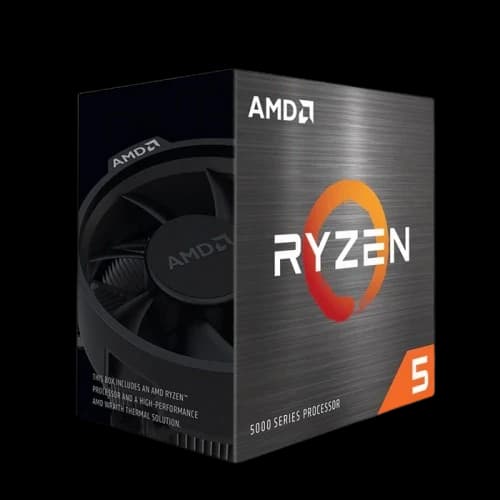
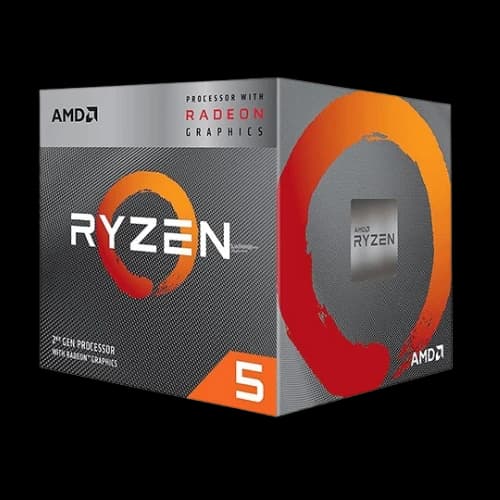
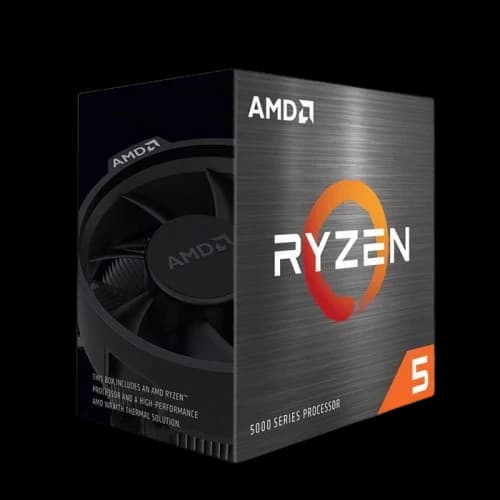
AMD Ryzen 5
- Ryzen 5 suits gaming and mixed productivity because it balances core count, boost behavior, and platform support for mainstream builds.
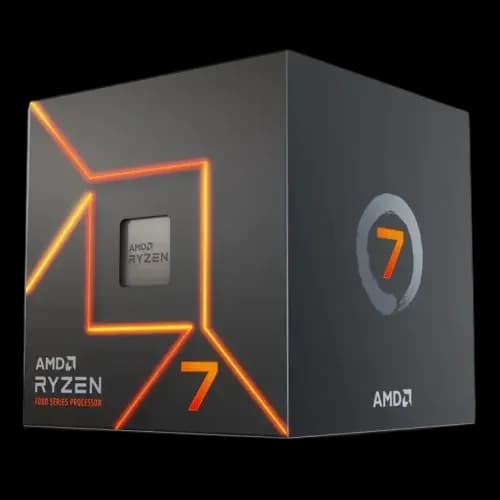
AMD Ryzen 7
- Ryzen 7 fits demanding multitasking such as editing, streaming, development tools, and high-load applications that benefit from more threads.
AMD Ryzen 9
- Ryzen 9 targets creator workflows and high-parallel tasks where higher thread capacity provides measurable speedups in rendering, encoding, and compilation.
AMD Processor Generation
Generation impacts architecture, supported sockets, memory type, and upgrade path.
Ryzen 5000 Series (AM4 Platform)
- AM4 provides wide motherboard availability and DDR4 memory support across many systems.
Ryzen 7000 Series (AM5 Platform)
- AM5 introduces DDR5 support and newer platform features that shape long-term upgrade flexibility.
Ryzen 9000 Series (AM5 Platform)
- Newer AM5 Ryzen generations focus on improved efficiency and performance, while remaining on the same socket family.
AMD Workstation and Server Processors
AMD Ryzen Threadripper (Workstation)
AMD Ryzen Threadripper is built for workstation platforms where high thread capacity, large memory bandwidth, and expanded PCIe connectivity matter for long-duration production workloads.
Threadripper workstations are used for rendering, simulation, CAD, compositing, VFX, large code builds, and multi-application pipelines that run for extended sessions.
AMD EPYC (Enterprise Server)
AMD EPYC is designed for enterprise servers and cloud infrastructure where uptime, scalability, and high-density compute are critical.
EPYC servers are used for virtualization, databases, container platforms, distributed services, and high-throughput workloads that need large memory pools and predictable performance under continuous load.
Features of AMD Processor
AMD platform performance is shaped by architecture generation, cache design, memory configuration, and cooling capacity.
AMD Zen Architecture
- Zen-based Ryzen generations improve performance per clock and efficiency, which influences responsiveness, thermals, and sustained performance.
AMD 3D V-Cache Technology
- X3D CPUs add extra cache capacity that can reduce memory latency effects in games and other cache-sensitive workloads.
AMD EXPO Memory Profiles
- EXPO simplifies DDR5 memory tuning on supported motherboards, helping RAM run at intended specifications with one-step configuration.
Precision Boost
- Automatic boost behavior adjusts clocks dynamically based on workload, temperature, and power conditions without requiring manual overclocking.
AMD Processor by Use Case
For Gaming
- Gaming performance can improve with larger cache pools on X3D models and stable boost behavior under consistent cooling.
For Video Editing
- Exports and rendering scale with core count and sustained clocks, and RAM capacity plus storage speed shape timeline responsiveness.
For Programming
- Compiles, local services, containers, and virtual machines benefit from more threads and strong cache behavior, especially when multiple tools run concurrently.
For Streaming
- Streaming benefits from spare cores for encoding and overlays, and stable cooling helps maintain consistent frame delivery.
For Graphic Design
- Design workloads benefit from responsive single-thread performance plus moderate parallel capacity for batch operations and exports.
- AMD Processor for Data Science and Machine Learning
Large-scale analytics benefits from high thread capacity and memory bandwidth, with Threadripper and EPYC suited to heavy parallel workloads.
For Office and Business Use
- Office systems benefit from efficient performance and integrated graphics options on selected models, while managed fleets may prioritize platform security features.
How to Choose the Right Processor for Your Build Needs
Gaming Systems
Choose based on GPU tier, target resolution, and background workload, and aim for strong single-thread behavior with enough cores for modern titles.
Professional Workstations
Choose based on whether your tools scale with threads and memory capacity, and prioritize stability for long sessions.
General Desktop Use
Choose based on responsiveness and system balance, and treat SSD and RAM capacity as performance multipliers.
Compatibility with the Motherboard
Use this checklist before purchase or upgrade:
- Confirm CPU socket matches the motherboard socket family
- Confirm the chipset supports the processor generation
- Confirm BIOS version supports the exact CPU model
- Check VRM quality for sustained boost on high-core CPUs
- Confirm memory type support and validated speeds
- Confirm storage and expansion needs match your build plan
- Confirm cooler mounting compatibility for the selected socket
Best Processor Buying Guide
Core Count and Threads
Core count improves throughput in parallel workloads, while threads improve utilization during multitasking and production tasks.
Clock Behavior
- Boost frequency matters for responsiveness, and sustained boost depends on cooler quality, airflow, and motherboard power delivery.
Cache Memory
- L3 cache size and latency influence gaming smoothness and can improve performance in workloads sensitive to memory delays.
Instruction Set Support
- Modern desktop software targets x86-64, and specialized instruction support can improve performance in encoding, compression, and compute libraries.
Thermal Design and Cooling
- Sustained performance depends on temperature control, so cooler capacity and case airflow planning are part of CPU selection.
Integrated Graphics (iGPU)
- Integrated graphics enable display output without a discrete GPU, and model naming matters because some variants ship without an iGPU.
If you plan to skip a GPU, confirm iGPU availability before finalizing the build.
Power Consumption
- Power draw influences thermals, noise, PSU sizing, and long-session stability, and many platforms allow power-limit tuning for quieter operation.
Why Choose PCB Store for Your Processors?
PCB Store is a trusted choice for processors in Bangladesh because it ensures official warranty handling through recognized distribution channels and sources components only from authorized major brands. PCB Store prioritizes compatibility-first guidance, helping customers align CPUs with the right Motherboard, RAM, and cooling solutions for stable performance.
Customers also benefit from structured after-sales service support, access to a broad inventory across multiple platforms for complete PC builds, and pre-delivery component verification at the shop counter. Additionally, return handling is clearly structured around component condition and established purchase policies, giving buyers added confidence and transparency.